

Western’s Denis Vida helped guide recovery of an extremely rare meteorite this week using Global Meteor Network, a world-wide camera collaboration he coordinates.

Western’s Denis Vida helped guide recovery of an extremely rare meteorite this week using Global Meteor Network, a world-wide camera collaboration he coordinates.
Research shows that global atmospheric drying significantly reduces productivity of both crops and non-crop plants, even under well-watered conditions.
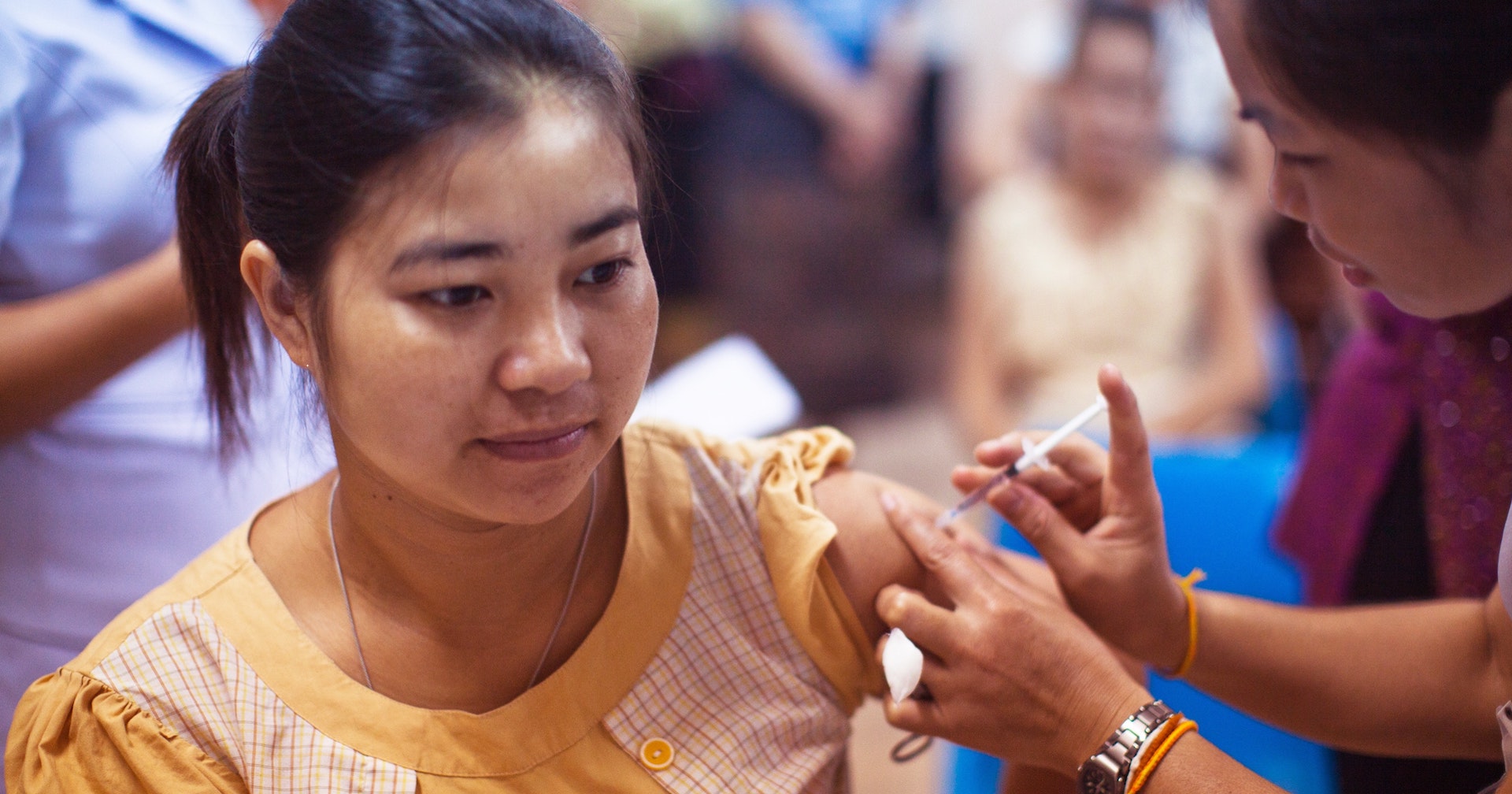
Study recommends governments adopt an intersectional approach to understanding how vulnerabilities and disadvantages affect a person’s health.
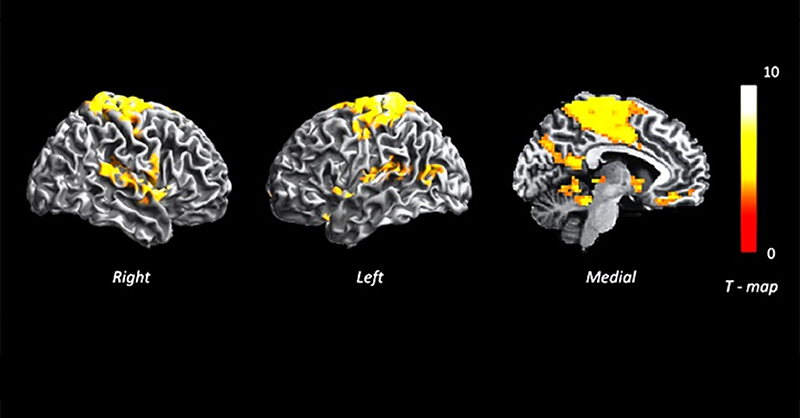
Patients with psychosis may experience communication difficulties because non-language parts of the brain are trying to manage communications tasks, new research from Western and Lawson Health Research Institute shows.
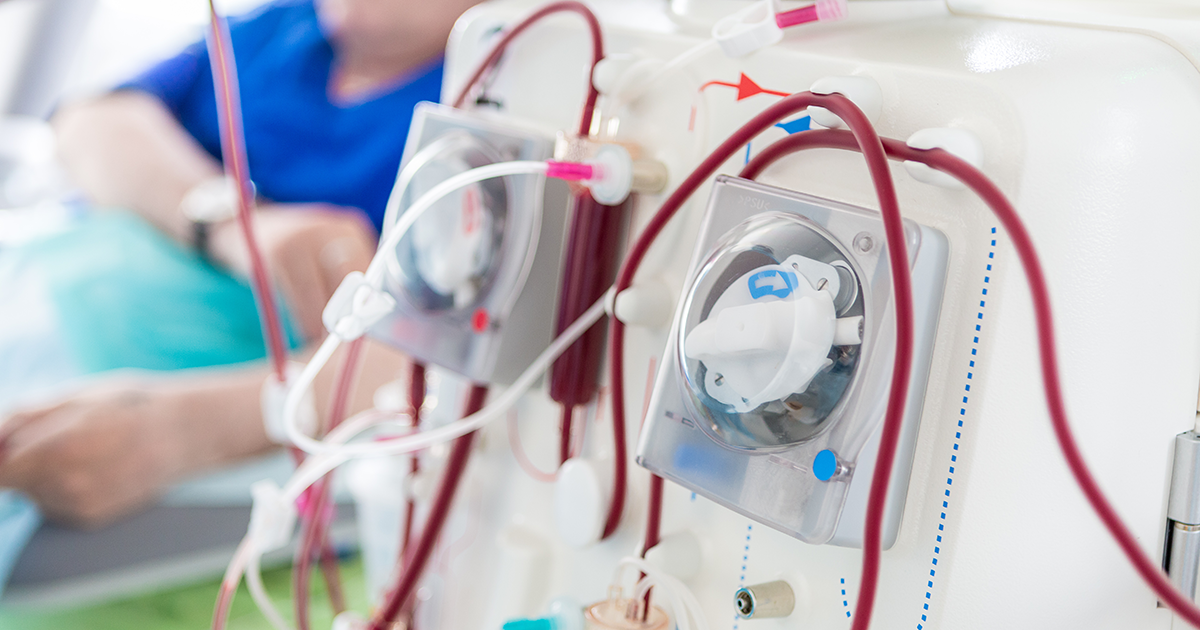
Patients with chronic kidney disease on dialysis are particularly vulnerable to contracting and dying from COVID-19, a Western-led study found.

Science is outpacing policies for responsible resource extraction in space.

There are wide discrepancies in the instructions for how deep the nasopharyngeal swabs used to test for COVID-19 are to be inserted up Canadian noses, new research has found. As an otolaryngologist, Dr. Leigh Sowerby is an expert in the anatomy of the head, neck and...
Western materials engineer Hamid Abdolvand and his team discovered important factors into the deformation of metals used in automobiles and nuclear reactors, and developed new models to predict the lifetimes of these materials.
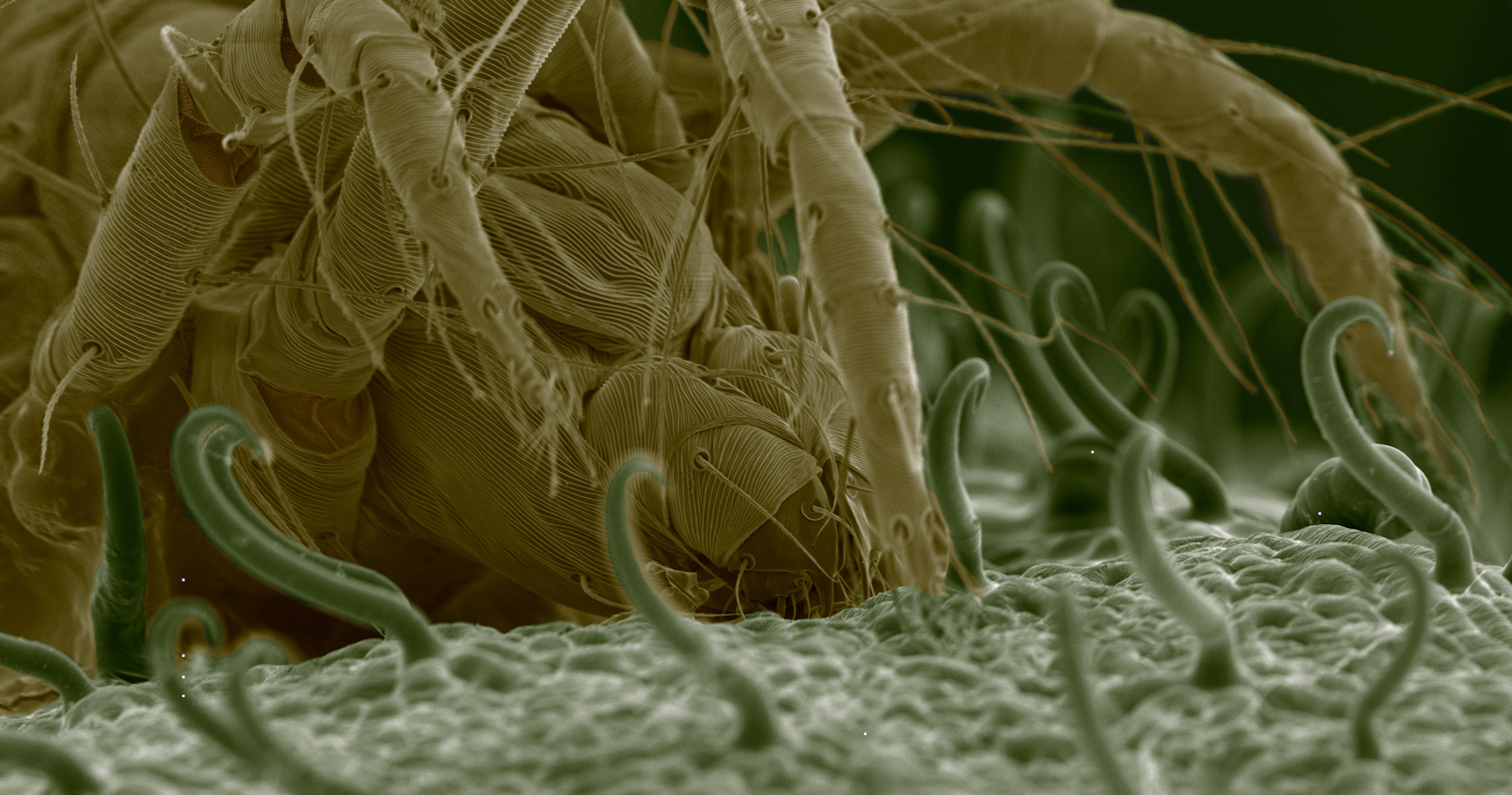
The gorse spider mite has provided a Western research team with the genomic framework for new bio-nanomaterials based on its silk.

Neurofeedback, also called ‘brain training,’ consists of exercises where individuals regulate their own brain activity. In a new study from Western University and Lawson Health Research Institute, researchers have found that neurofeedback may be an effective treatment for individuals with post-traumatic stress disorder (PTSD).

Are kids in schools driving community transmission of COVID-19, or is it the other way around? This uncertainty could be clarified by conducting cluster randomized trials when students return to class, according to a new publication from an international team of...

New study will look at the reduction in access and how it is affecting those involved with Ontario’s family justice system.