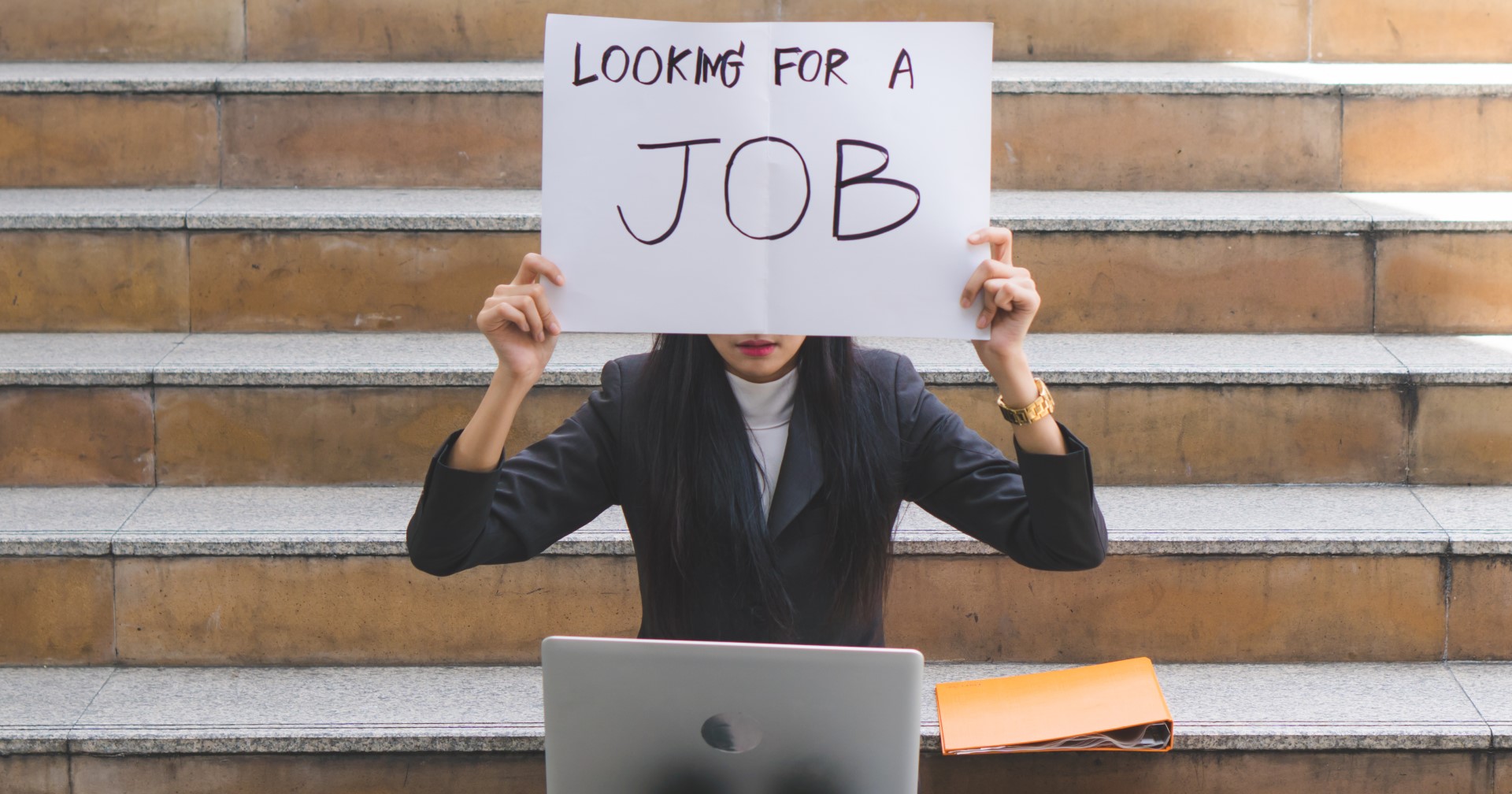
Recently former Bank of Canada Governor Stephen Poloz cautioned that Canada and the United States could be slipping towards a recession.
August’s jobs numbers are one indicator that may back up that claim, according to Cristián Bravo, professor in statistical and actuarial sciences.
Bravo is the Canada Research Chair in Banking and Insurance Analytics at Western University and is available to media for interviews.
“The reality is we are seeing slowdown signs in both the U.S. and Canada, but it is not unexpected given certain policies being implemented south of the border,” said Bravo.

Cristián Bravo
He points to job numbers being the first signal in a recession, but a slowdown in trade and a weakening dollar are changing the economic conditions as well.
“The saving grace, in both countries, is internal consumption. Consumers are not slowing down, but this may not be sustainable if the number of jobs keep going down,” said Bravo.
Most recently, economists are predicting that the Bank of Canada and U.S. Federal Reserve will resume rate cuts this fall, another clue that governments may be bracing for a slowdown, according to Bravo.
If a recession were to take place Bravo says he doesn’t see it being a big one as long as trade and other economic policies are temporary, but he cautions if they are permanent then the impact may be bigger.
“No matter what, the economy will be smaller in a reduced-trade environment. Less dynamism means less prosperity. In a stagflation scenario, everything becomes more expensive while growth stops,” said Bravo. “If this becomes a permanent, or at least the long-term new reality, the challenge is to soften the blow while we readjust our economy, to achieve longer-term growth in a multilateral environment.”
Commentary reflects the perspective and scholarly interest of Western faculty members and is not an articulation of official university policy on issues being addressed.
MEDIA CONTACT: Justin Zadorsky, Media Relations Officer, 226-377-1673 (mobile), [email protected]