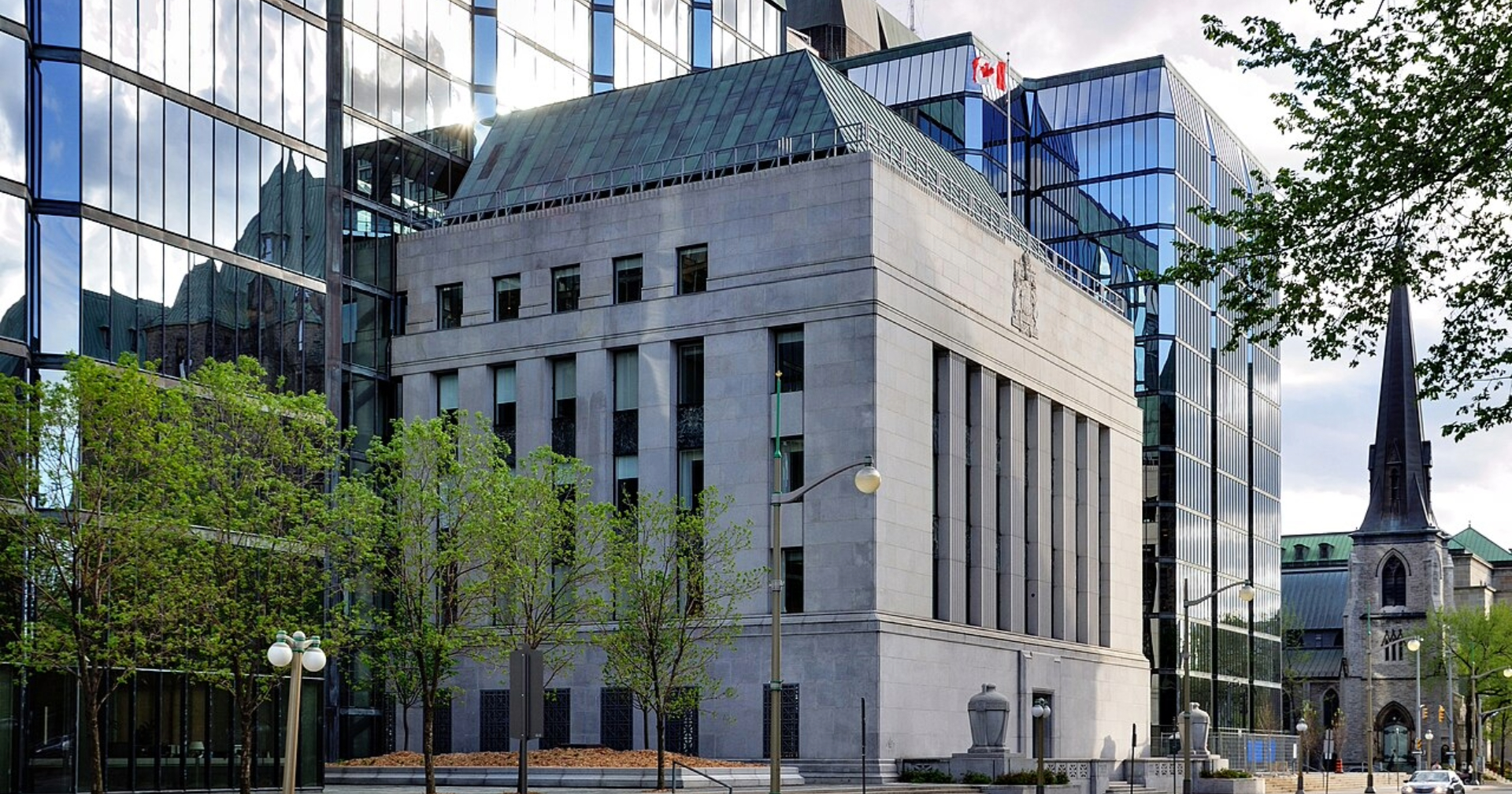
On Oct. 28, the Bank of Canada increased its target for the overnight rate for the first time in roughly three years, to 2.5 per cent from 2.25 per cent.
In the short-term, those on a variable-rate mortgage will see their payment increase or their amortization extend, but the Bank of Canada says interest rate changes take about 18 months to two years to fully impact the economy.
Cristián Bravo, professor in statistical and actuarial sciences, believes the move reflects a cautious approach aimed at keeping high energy prices from spreading into broader inflation. Bravo is the Canada Research Chair in Banking and Insurance Analytics at Western University and is available to media for interviews.
“Central banks usually look past a jump in oil prices, as it is a supply shock: it raises prices for a while and then fades, and higher rates do not produce more oil. The Bank of Canada laid out that case for holding the rate steady and still decided to raise rates because this shock has lasted.”
Bravo notes that the conflict in the Middle East is now in its eighth month, oil prices are expected to stay higher for longer, and firms that have absorbed higher costs so far are planning to pass those costs on.
“People start expecting inflation to go up, which makes inflation go up. Currently, the Bank of Canada’s surveys show this happening in the near term, while longer-term expectations remain anchored, and this hike aims to keep it that way,” he explains.
“Breaking that cycle sometimes requires painful shocks to the economy, such as the rapidly rising rates after COVID times. What this is saying to the market is ‘keep your inflation expectations in check, as we are aware of them and will raise rates if we see this become more of a risk.'”
Additionally, Bravo says the Bank of Canada believes the economy is resilient enough to tolerate the hike.
“Here, the message is clear: in Canada (as opposed to the U.S.), the mandate of the Bank of Canada is first inflation, and jobs second. So, it is willing to sacrifice some economic activity in the sectors most sensitive to rates, such as housing, to make sure they keep inflation in check,” he explains.
“From where we are today, a rate hike obviously constrains the economy,” Bravo says. However, from a long-term point of view, any rate in the range the Bank of Canada sees as neutral (2.25 per cent to 3.25 per cent) is in a spot where the economy is not really altered one way or the other.
The hike moves the rate closer to the centre of that range, “so if they want to constrain the economy to stop inflation, they still have plenty of room to manoeuvre.”
Commentary reflects the perspective and scholarly interest of Western faculty members and is not an articulation of official university policy on issues being addressed.
MEDIA CONTACT: Jacquelyn Mitchell, Media Relations Officer, Western University, (226) 386-9683, [email protected]
Tags