

Projects examining diabetes, lifelong care programs receive nearly $1.5 million.
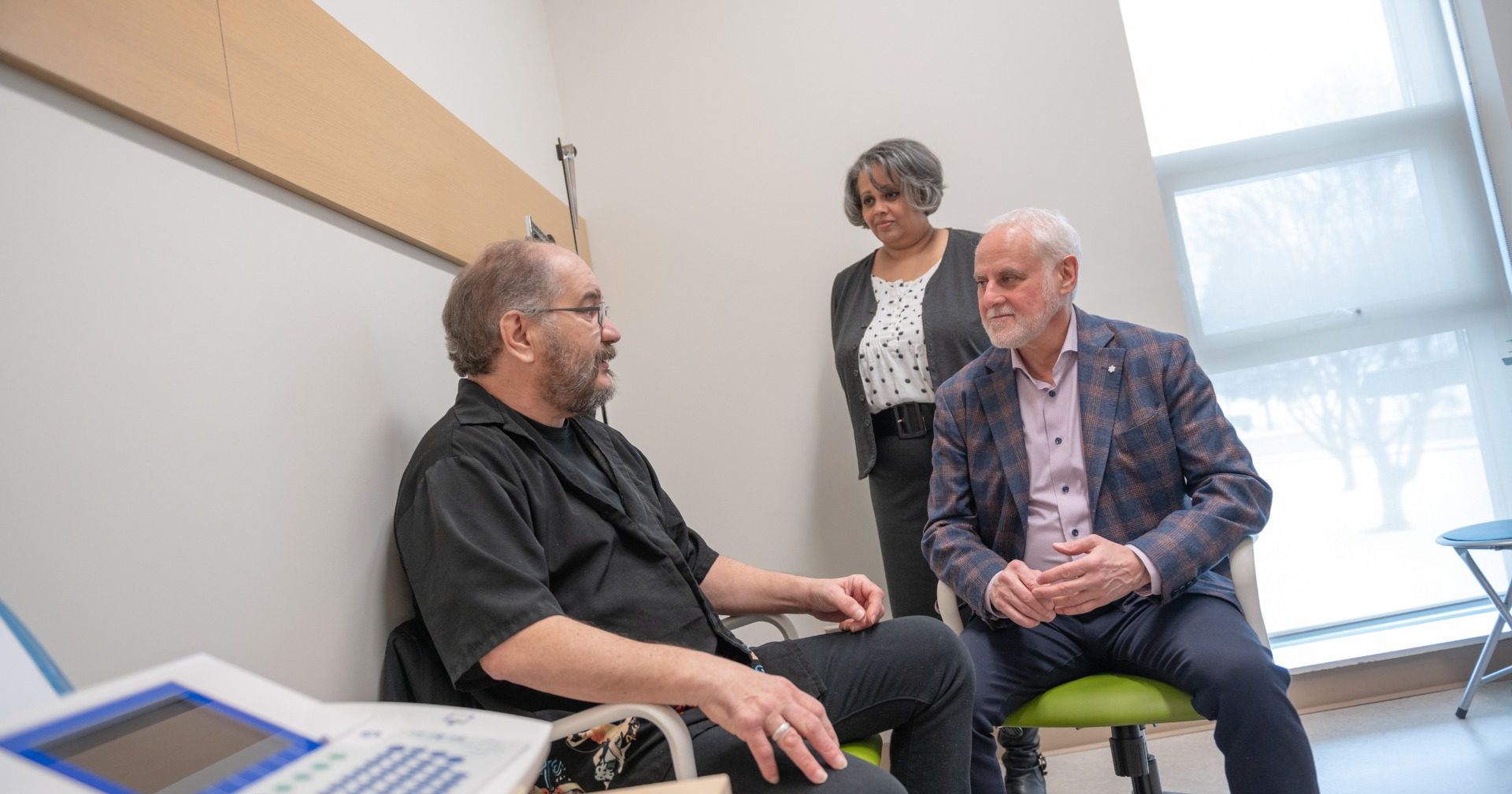
Projects examining diabetes, lifelong care programs receive nearly $1.5 million.

New research looks at national health data, community well-being and neighbourhood information to study effects of social environment on cardiovascular health

Ivey prof leads analysis of how social stigma affects continued indebtedness

Interactive website to document histories of individuals who fled slavery in the U.S. and settled in the Forest City

NTP researchers conducted 447 severe weather investigations using satellites, aircraft, drones and ground surveys and confirmed 117 for 2022.
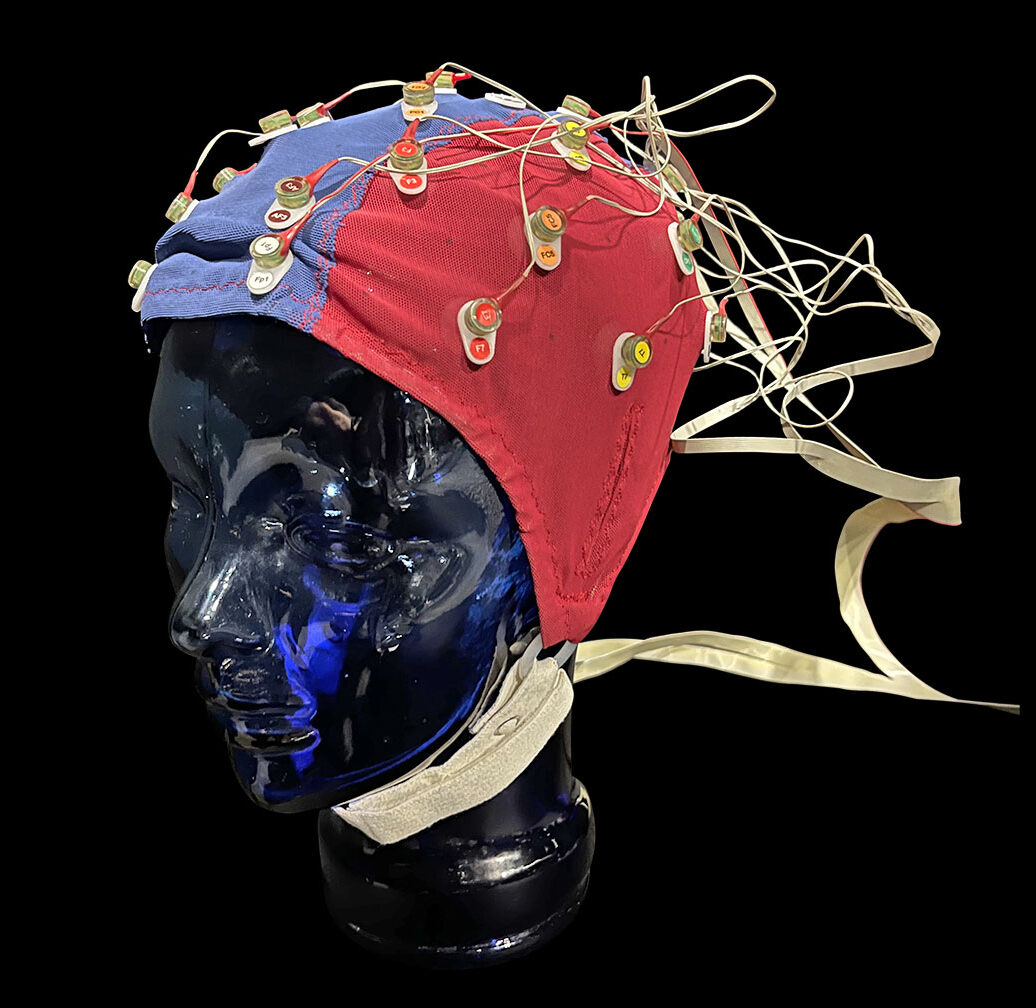
New EEG testing procedure for tinnitus (ringing in the ears), led by physics professor Andrea Soddu, described in the journal Brain Communications.

Babac Salmani, a PhD candidate in the Faculty of Health Sciences, studied the intention and behaviour change of regular vapers after they watched a short video explaining the potential health risks.

Simulated study finds new robotic ultrasound system can optimize liver cancer ablation therapy

Researchers compared skeletons from archaeological sites spread over 25,000 years.

Leaf from first edition of Chaucer’s Canterbury Tales, published on Caxton’s printing press in 1476, now part of Western Libraries Archives and Special Collections.

A new study has identified a new function of a virus-fighting protein called APOBEC3 (A3) in the integration process of HIV in the human genome.

Western-led study tested a large sample of AI technologies available today and found not only did they reproduce human biases in the recognition of facial age, but they exaggerated those biases.