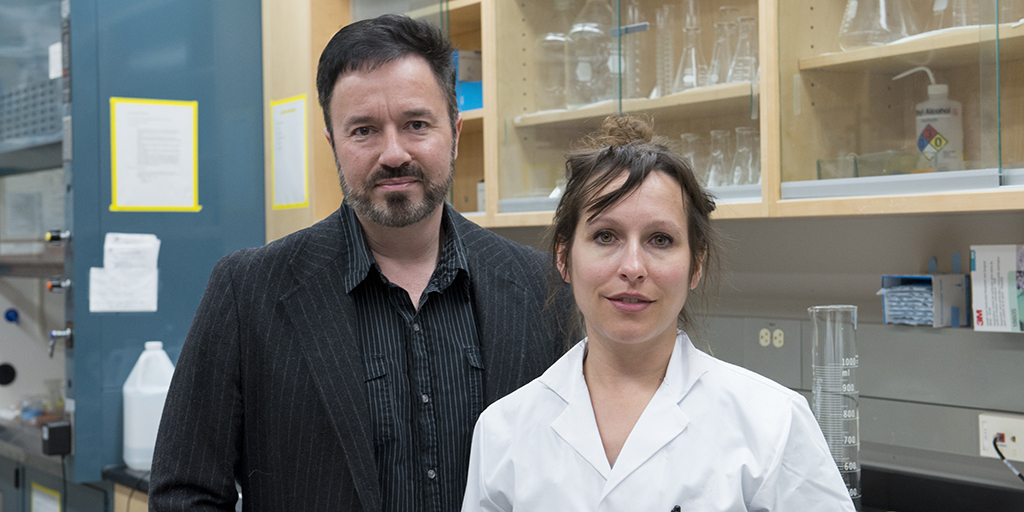
A team of chemists in Canada has developed a way to process metals without using toxic solvents and oxidants. The system, which also consumes far less energy than conventional techniques, could greatly shrink the environmental impact of producing metals from raw...
Research & Innovation
Researchers identify specific neurons that distinguish between reality and imagination
New Western University research shows that neurons in the part of the brain found to be abnormal in psychosis are also important in helping people distinguish between reality and imagination. The researchers, Dr. Julio Martinez-Trujillo, principal investigator and...
‘Tiny clocks’ crystallize understanding of meteorite crashes
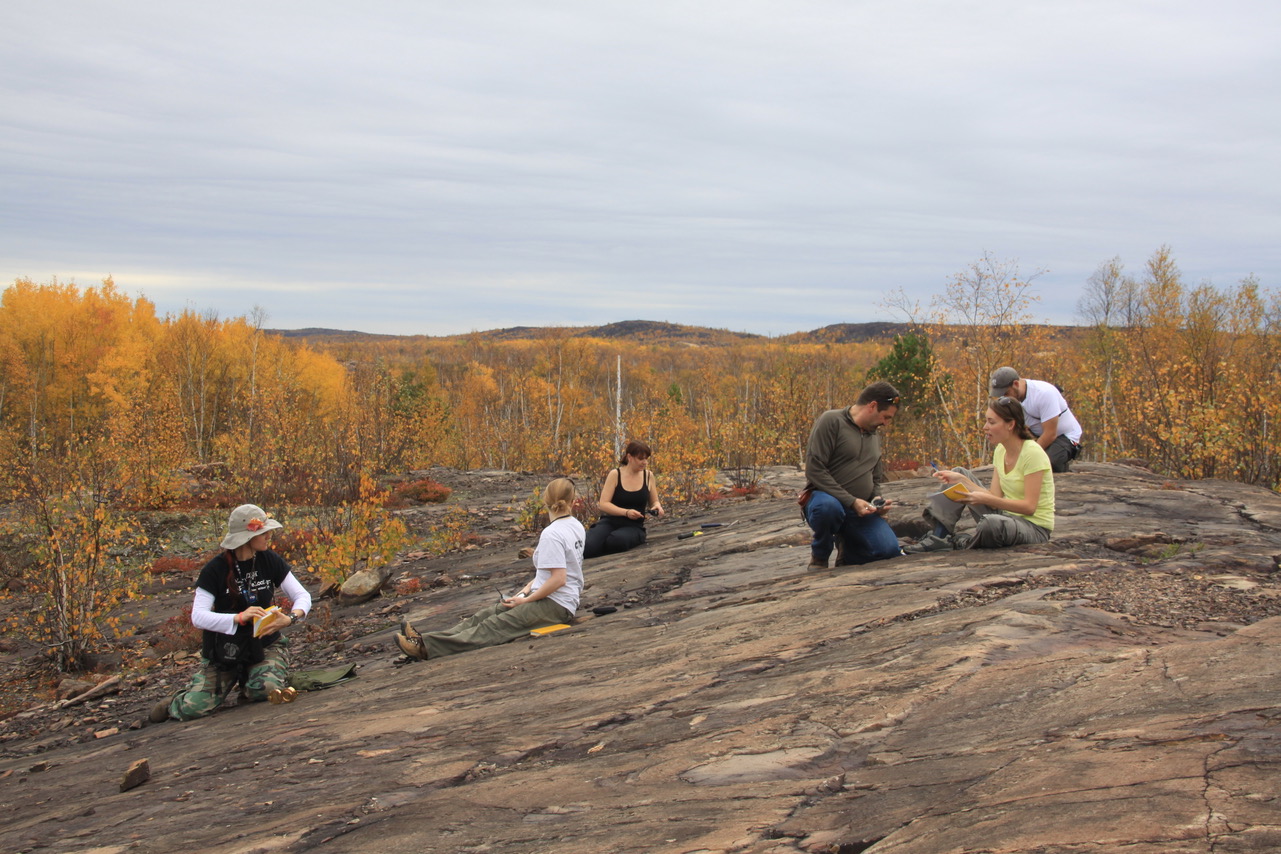
Almost two billion years ago, a 10-kilometre-wide chunk of space slammed down into rock near what is now the city of Sudbury. Now, scientists from Western University and the University of Portsmouth are marrying details of that meteorite impact with technology that...
Lawson and Western researchers suggest walking and talking can be an early predictor of dementia
In a new study, researchers at Lawson Health Research Institute and Western University are demonstrating that gait, or motion testing, while simultaneously performing a cognitively demanding task can be an effective predictor of progression to dementia and eventually...
Western students unearth 150-year-old headstones at local cemetery
Five Western students working on a tombstone archeology project at Woodland Cemetery have discovered as many as 60 stone markers, some dating back to Canada’s Confederation. “We knew the stones had been placed somewhere near the east part of the cemetery when...
Smile, and the world thinks you’re older: study
Turn that frown upside-down? Not if you’re keen on looking younger, you shouldn’t. A new study shows that smiling can make you appear to be a year older than if you wear a poker face. And if you reacted to that finding with a look of surprise – well, that expression...
After tough times, pre-teens’ brains wired for rewards
Adversity leads pre-teens to be more impulsive by making their brains more sensitive to rewards, a new Western University study has found. The study, entitled “Ventral striatal activity links adversity and reward processing in children,” is published in...
Simple blood tests lead to improved hypertension treatment in African countries
Using two simple blood tests, Western University researchers were able to drastically improve treatment for resistant hypertension across three sites in Nigeria, Kenya and South Africa. The study, published online today in the American Journal of Hypertension,...
Stroke prevention among older Ontarians may also reduce risk of some dementias
Ontario’s stroke prevention strategy appears to be having an unexpected, beneficial side effect: a reduction also in the incidence of dementia among older seniors. A new paper by researchers at Western University, Lawson Health Research Institute and the Institute for...
The fast and the crashed: study shows collisions five times more likely for street racers
Ontarians who have street-raced at least once in the past year are five times more likely than other drivers to have crashed their vehicle at some point during those 12 months. Researchers from Western University and the Centre for Addiction and Mental Health (CAMH)...
Bringing the ‘magic’ of ultrasound to rural Uganda to reduce pregnancy complications
In a collaborative study from Lawson Health Research Institute (Lawson), Western University, Bridge to Health Medical and Dental, and Kigezi Healthcare Foundation (KIHEFO), a team of researchers found that radio advertising for free ultrasounds in rural Uganda...
Western University researchers identify mechanism that regulates acoustic habituation
Most people will startle when they hear an unexpected loud sound. The second time they hear the noise, they’ll startle significantly less; by the third time, they’ll barely startle at all. This ability is called acoustic habituation, and new Western-led research has...