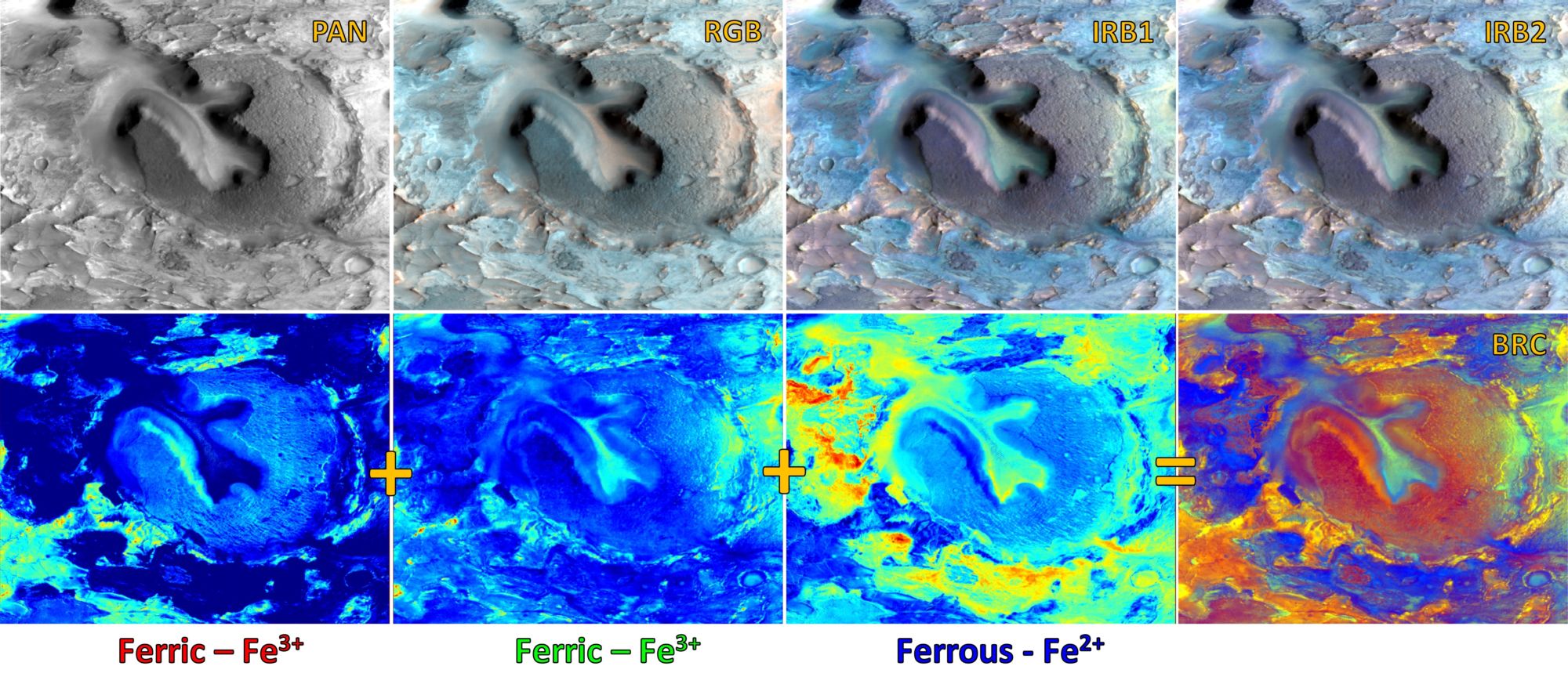
The Mars Camera, officially known as CaSSIS (Colour and Stereo Surface Imaging System), aboard the European Space Agency's ExoMars Trace Gas Orbiter (TGO) captured its first high resolution images of the Red Planet last week. The Swiss-led camera worked almost...
Research & Innovation
Western virologist hopes to test vaccine on 600 HIV-negative subjects next fall
An HIV vaccine (SAV001) developed at Western University can now move on to Phase II human clinical trials. Plans are underway to test it in 600 HIV-negative subjects across North America as early as next fall. The Phase II trial, once approved by government regulatory...
Western study finds culturally relevant mentorship improves Indigenous students’ mental health, academic success
A new study of Indigenous students in southwestern Ontario public schools shows those who received mentorship from a member of their community had better cultural connectedness, improved mental health and higher school credit accumulation than peers who were not...
WHO Collaborating Centre at Western University to address international access to surgical care and anesthesia
Researchers at Western University have been tapped by the World Health Organization (WHO) to be the first official Collaborating Centre to study access to safe surgical and perioperative care on the global stage. In 2016, the 68th World Health Assembly passed...
Asteroid impacts could create habitats for life, suggests Chicxulub crater study
Scientists studying the Chicxulub crater have shown how large asteroid impacts deform rocks in a way that may produce habitats for early life. Around 65 million years ago a massive asteroid crashed into the Gulf of Mexico causing an impact so huge that the blast and...
Book launch for first comprehensive examination of think tanks in Canada
Donald Abelson, one of Canada's leading experts on American politics and U.S. foreign policy, has penned the first comprehensive examination of think tanks in Canada. "Northern Lights: Exploring Canada’s Think Tank Landscape" (McGill-Queen’s University Press, 2016) is...
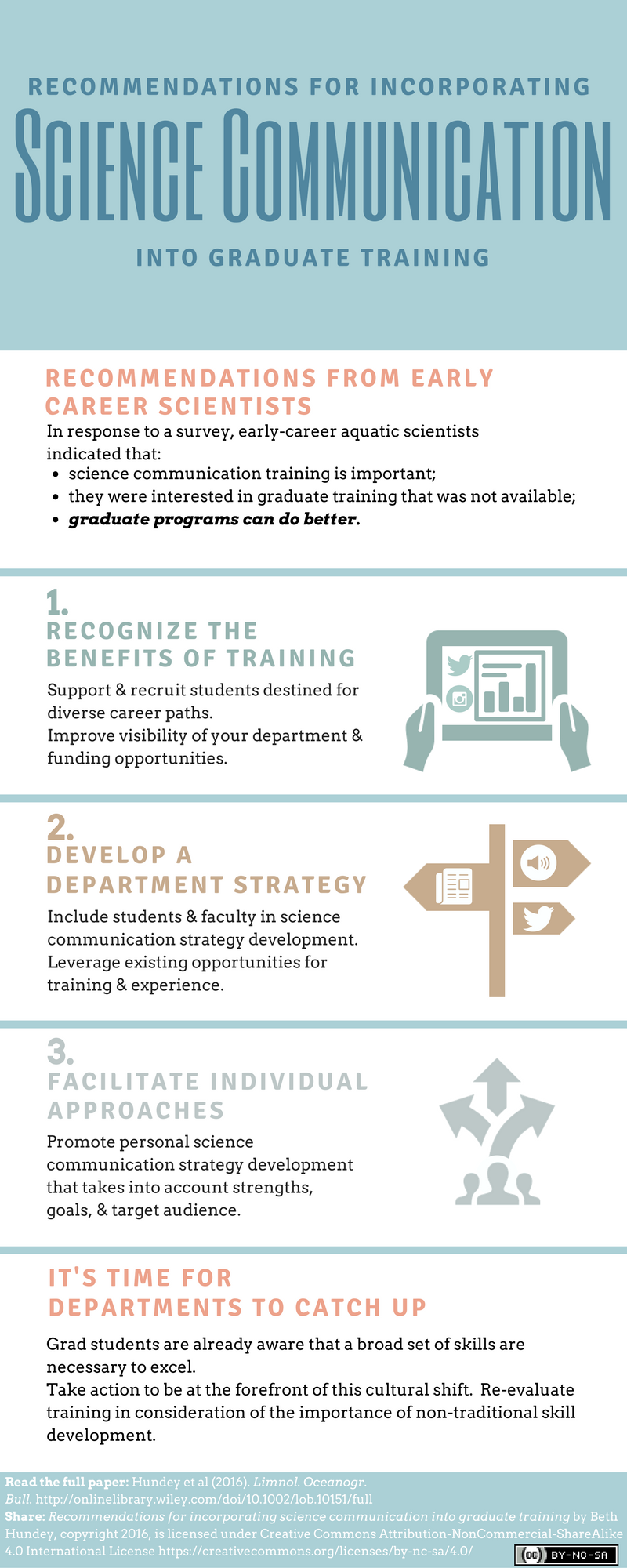
International study promotes importance of science communication to graduate students
The Canadian government recently released initial findings from a special committee tasked with exploring ways to enhance global recognition for Canadian research excellence. The committee, led by His Excellency, The Right Honourable David Johnston, Governor General...
Western and Lawson scientists develop game-changing blood test for concussions
Scientists from Children's Health Research Institute, a program of Lawson Health Research Institute, and Western University have developed a new blood test that identifies with greater than 90 per cent certainty whether or not an adolescent athlete has suffered a...
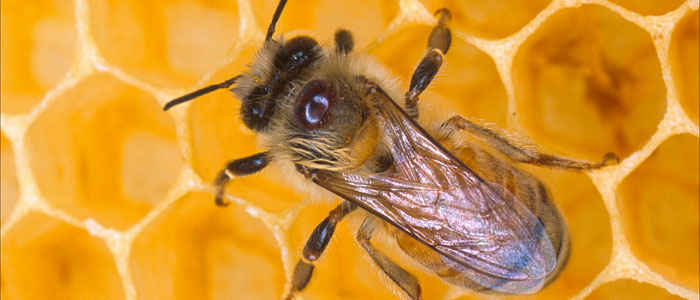
Western scientists uncover possible genetic basis for self-sacrificing behaviour of worker bees
In a honey bee colony, the queen bee is responsible for laying most of the eggs but she does not otherwise forage for nectar, make honey, defend against intruders, or even provision her own young. Instead, this latter set of behaviours are performed by her worker...
Alan Alda to get an up-close look at lung imaging research at Robarts Research Institute
Award-winning actor, writer and science communication advocate Alan Alda will get an insider’s look at the cutting-edge research at Robarts Research Institute that is helping to improve the lives of patients with chronic lung disease. On November 10, Western...
Western students ‘heading’ back to Mars with Canadian Space Agency as part of simulation
Planetary scientists have learned much about Mars from the various robotic missions that have landed on the Martian surface. However, rovers and landers can only carry a limited set of instruments and there are many things yet to be learned about Mars – like whether...
New testing method allows for more effective diagnosis of genetically-based high cholesterol
A new genetic testing method developed at Western University called LipidSeq can identify a genetic basis for high-cholesterol in almost 70 per cent of a targeted patient population. Using next-generation sequencing (NGS) technology, researchers were able to pinpoint...