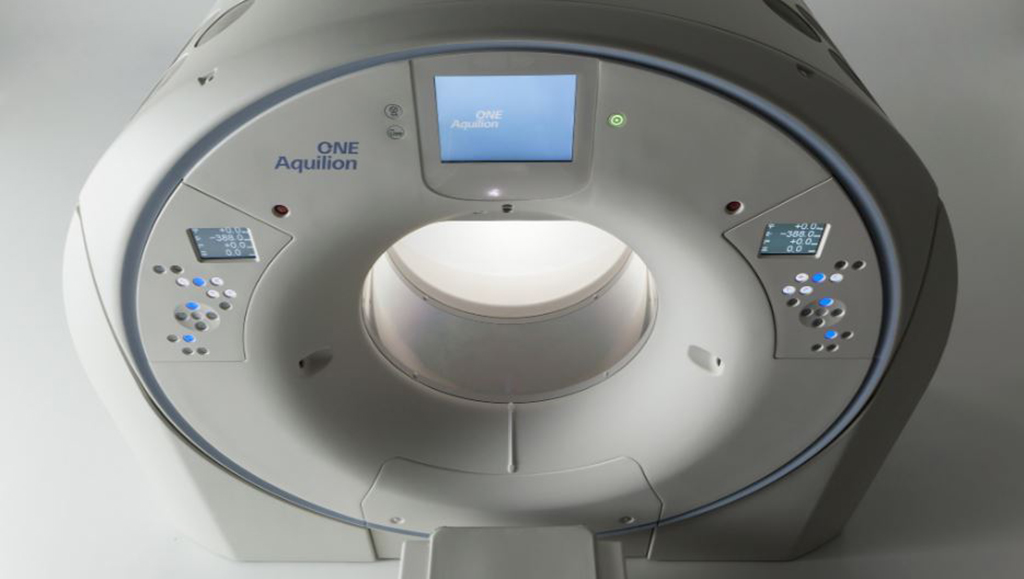
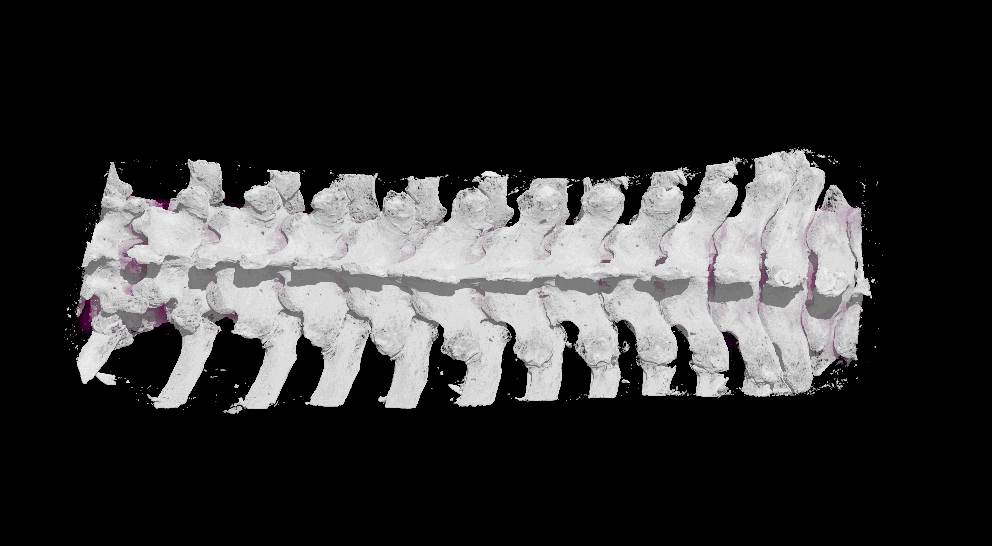
We often think of our brains as being at the centre of complex motor function and control, but how ‘smart’ is your spinal cord? Turns out it is smarter than we think. It is well known that the circuits in this part of our nervous system, which travel down the length...
LATEST NEWS & RELEASES
Interstellar stars to inspire future scientists at Girls and Women in Astronomy Night
Stats don’t lie. Canada – and the world – needs more women in STEM, specifically those exploring the heavens. At Canadian universities, only 21 per cent of astronomy professors are female. Western University’s Department of Physics and Astronomy has the most...
Organ donor registration rates in 2016 range from 20 to 46 per cent across the province
Organ donor registration increased by 62 per cent across the province from 2011 to 2016, but where you live has a lot to do with whether you have signed up to be a donor. There is large regional variation of organ donor registrants across the province ranging from 20...
Western Education spotlights inclusive education with film screening and Q&A
Every day 40,000 children spend most or all of their day outside the traditional classroom in Ontario. The reason – their intellectual ability. February is Inclusive Education Month in Canada. Western University’s Canadian Research Centre on Inclusive Education is...
More people die after surgery worldwide than from HIV, TB, and malaria combined
Around the world, 4.2 million people die every year within 30 days of surgery, and this translates to the third leading cause of death worldwide, a new study reveals. Since 50 per cent of these deaths occur in low- and middle-income countries, where surgery is less...
New self-powered, smart implant may greatly reduce knee replacement surgeries
Knee replacement surgery is one of the world’s most common orthopedic procedures, but the implants don’t last forever. They can wear out, loosen or just fail to meet patient expectations and require revision surgery. A new self-powered, load-sensing smart implant...
Canada’s first groundhog was a bear
Move over Punxsutawney Phil, Wiarton Willie and Shubenacadie Sam – it turns out the earliest animal to predict the coming of spring in North America was not a groundhog, but a bear. Alan MacEachern, Canadian history professor at Western University, has dug deep into...
Injection of opioids linked to significant increase in bacterial heart infections
People who inject drugs are at a high risk for a number of health issues. In a new study from ICES, Lawson Health Research Institute and Western University, researchers discovered a significant rise in the risk of infective endocarditis, a serious heart infection,...
Ever-abundant sulphur may be answer for more powerful (and cheaper) electric vehicles
There’s a more powerful (and potentially cheaper) alternative to the batteries traditionally used for electric cars, but it’s not a viable option (yet) because it runs too hot with increasing potential for fire and explosion in most environments. A new strategy from...
Western’s CPSX supports new space mission led by CSA astronaut David Saint-Jacques
While in space, Canadian Space Agency (CSA) astronaut David Saint-Jacques is using his vantage point from aboard the International Space Station to explore Earth. Saint-Jacques is observing our planet to better understand its geological, environmental and ecological...
New study of twins shows that loneliness is genetic but not necessarily hard-wired
A new Western University study of more than 750 pairs of adult twins shows that loneliness, for some, is more than just a feeling. It’s actually part of a person’s genetic makeup. However, there is encouraging news – environment still plays a much larger role in our...
Leveraging technology to diagnose psychiatric disorders
Psychiatric disorders are often difficult to diagnose. As research advances, we are learning there are multiple subtypes of illness that differ in symptoms and treatment needs, making classification even harder. Post-traumatic stress disorder (PTSD) is one example....